
People in South Africa living in Poverty
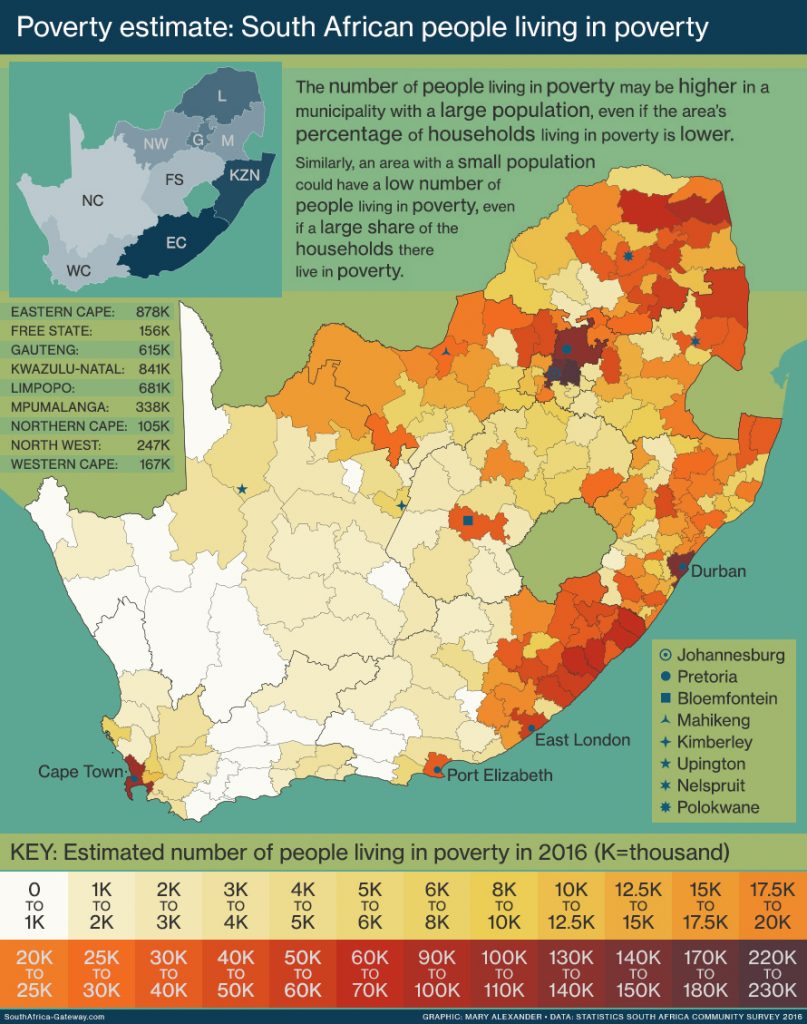
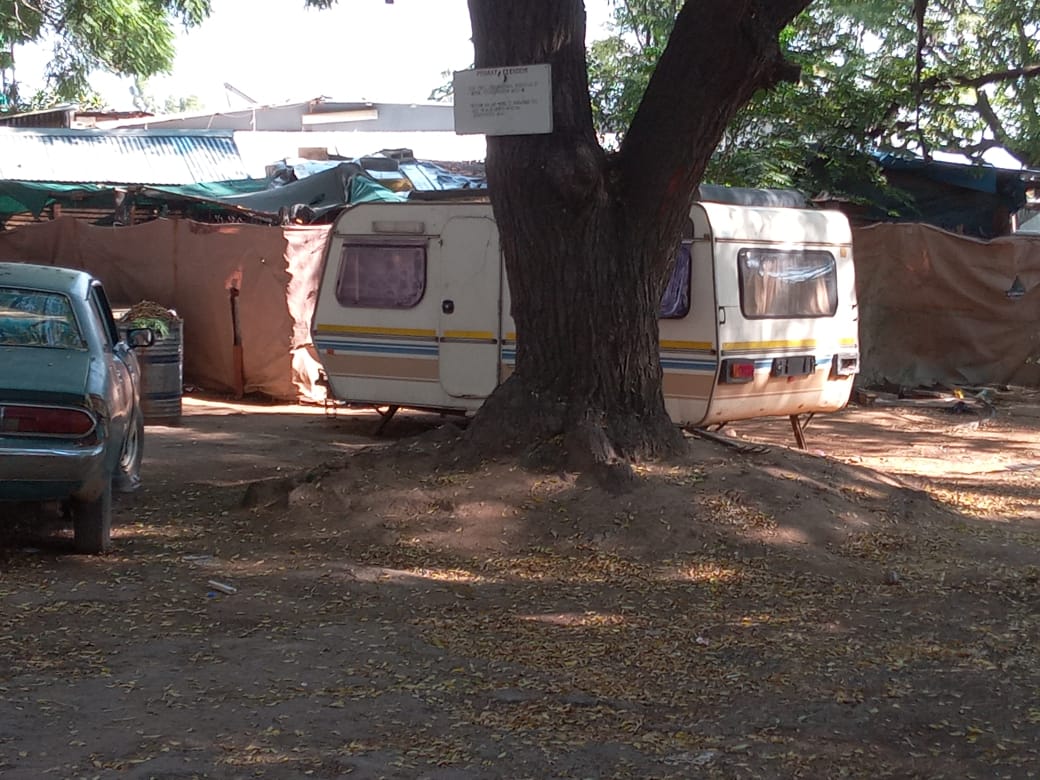
There are approximately 1,000 small squatter camps in South Africa where the majority of the residents are white people, with some people of color also living there.
Then there are other squatter camps where the majority are people of color, mostly black people. These are much larger.
The situation is getting worse, especially with Covid where so many people lost their jobs. This is besides the squatter camps with a majority of people of color. People from all walks of life end up in these camps, including doctors, attorneys, etc. It is not a matter of people who are abusing drugs, etc. These are mostly due to economic conditions.
Some of the people in these squatter camps have to pay rent to the owners of the land and very often cannot afford this. However, with post-squatter camps, the residents can stay for free. Often the parents cannot pay any school fees, and then the children cannot go to school or cannot afford school uniforms and stationery. There is this one instance of a 6-year-old boy selling 10 newspapers between 2 am and 6 am, which earns enough to buy one loaf of bread for him and his 4-year-old brother. Their parents were gone.
There is very little help from the government and political parties. Even bigger companies and supermarkets do not want to help. Also making it worse is that many companies cannot assist due to BBEEE restrictions (Black empowerment). Some companies allegedly will not contribute to charity involving white people but only black people. There are very young babies and children and elderly people up to 96 years old.
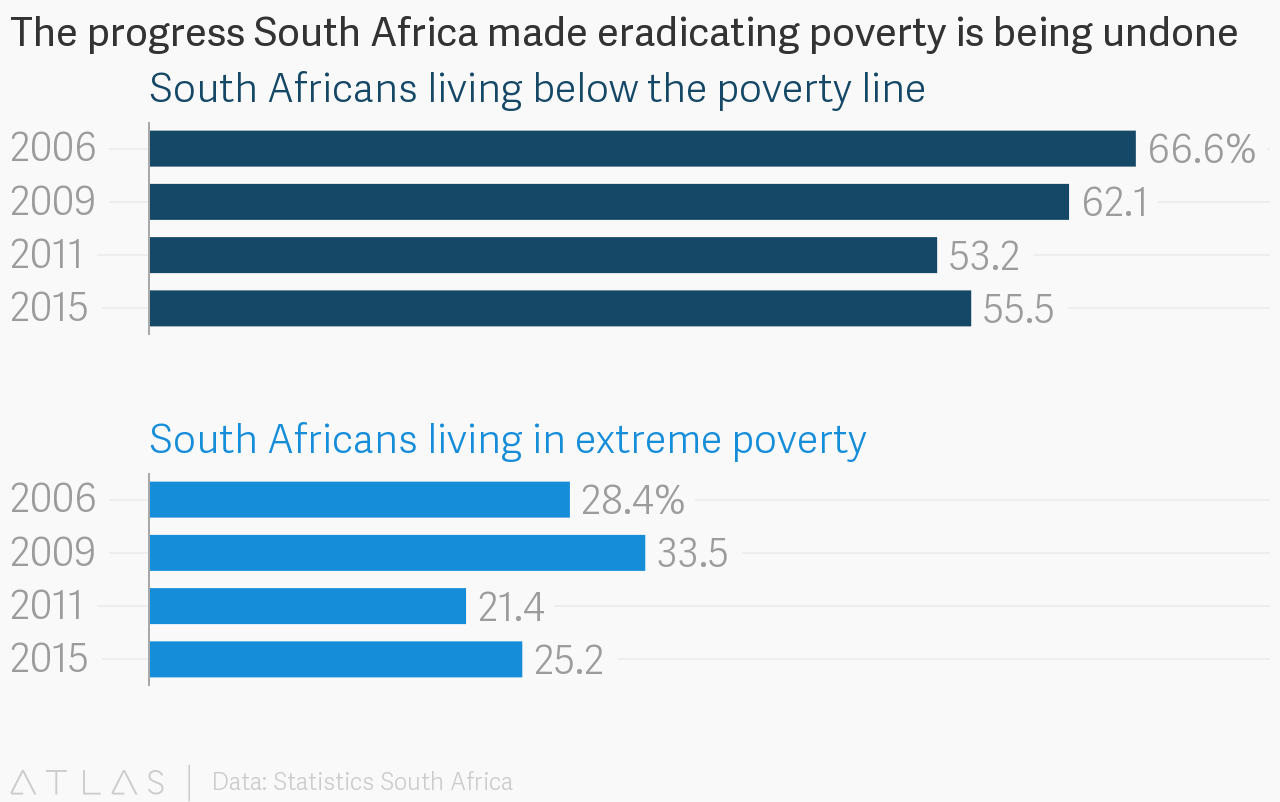
As of the latest available data, the percentage of white people in South Africa living below the poverty line is relatively low compared to other racial groups. The 2015 Poverty Trends report from Statistics South Africa provided some insight into these figures. Although the report is a bit dated, it is one of the more comprehensive analyses available.
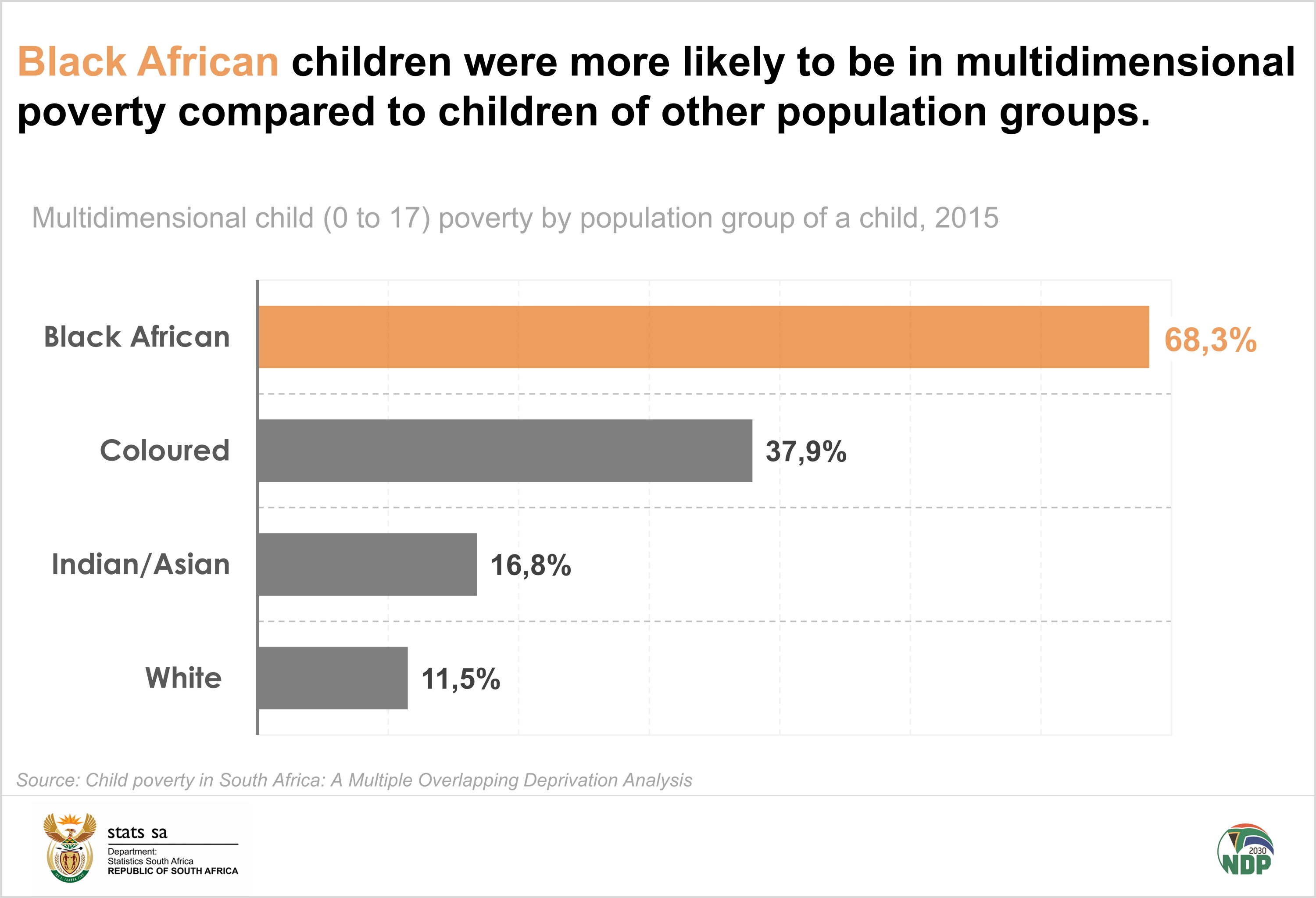
In 2015, the poverty rate among the white population was around 1% to 2%. This figure was significantly lower compared to the national average and other racial groups, such as black Africans, who had a much higher poverty rate. The national poverty rate in 2015 was approximately 55.5%.
It's important to note that these figures might have changed in recent years due to various economic and social factors.
For the most current statistics, consulting the latest reports from Statistics South Africa or other authoritative sources would be necessary.
We are reaching out to you with an urgent appeal to support the impoverished communities living in squatter camps across South Africa.
These camps are home to residents, many of whom face dire economic conditions worsened by the impact of Covid-19. Among them are children, elderly individuals, and people from various walks of life who have fallen on hard times.
How You Can Help:
Help us provide nutritious meals to families who struggle to put food on the table.
Ensure that children and adults have the clothing they need for dignity and warmth.
Provide critical medical supplies to those who cannot afford healthcare.
Give the gift of comfort with bedding to keep families warm and safe.
Your kindness and generosity can bring hope and relief to many suffering from extreme poverty. Together, we can provide a lifeline to those who need it most.
Please consider making a donation today. Your support can transform lives and bring hope to those who have lost so much.
Did you like this article? Spread the word!





We need your Help Please
Get the latest insights from the marketing world.


