
Children for sale: Kid Prostitution on South Africa's Streets
In South Africa, the abuse of young children, some as young as 10-11 years old, is a grave and pervasive issue. This tragic reality underscores the profound vulnerabilities and dangers faced by children in impoverished circumstances. The documentary "Innocence for Sale: Kids on South Africa's Streets" delves deeply into this troubling subject, providing an eye-opening look at the harsh conditions these children endure daily.
Available on YouTube, this documentary highlights the urgent need for awareness and action to protect these young lives from exploitation and abuse. It serves as a powerful call to address the underlying causes of this crisis and to offer hope and support to the affected children, ensuring they have the opportunity for a safer and brighter future.
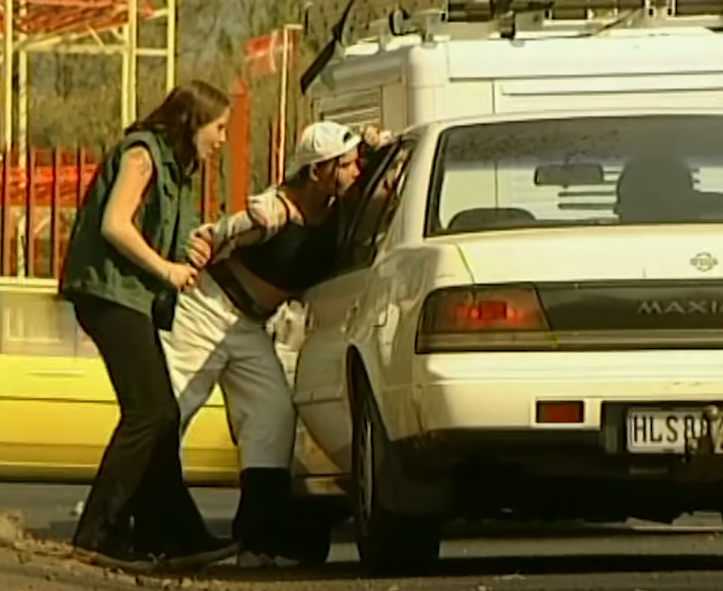
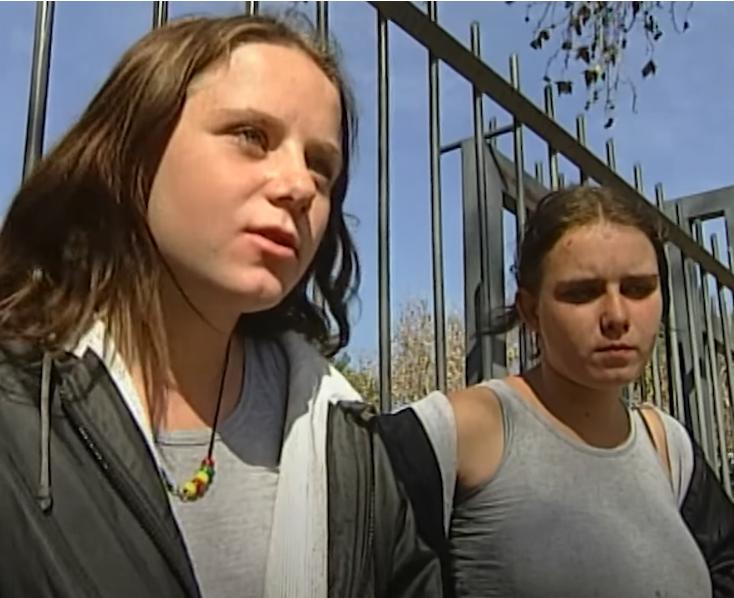
The girl is a 14 year old drug addict who has been selling herself to men for four years, despite her father's in jail. She has been doing this for four years and is now working on oral sex. Her sister, Yolanda, is also a drug addict and has unprotected sex with customers. The narrator expresses their dissatisfaction with their current life and asks if they want to continue their criminal activities.
The text discusses the issue of street prostitutes in South Africa, focusing on the challenges faced by young people who are forced into prostitution by their fathers. These individuals often charge high prices for their services, often involving children. The girl, who is only 12 years old, describes her experiences of being forced into prostitution and the harsh reality of her situation. She describes her experiences of being beaten and forced into an orphanage, and how her family's treatment of her has led to her escaping home and seeking help. The author argues that South Africa's authorities are doing little to address the issue, as children who solicit sex on the street often return to the streets due to abuse. The film narrator believes that the people who use these children are criminals, and clamping down on them is crucial. The author also highlights the increasing number of young people who are forced into prostitution, questioning the societal values of society.
Tandi lives in Chanty town, Marabastad, near Pretoria, with limited resources and few care and rehabilitation facilities. Children are often left to fend for themselves, and clients often don't wear condoms. In late night Johannesburg, a child protection unit detects a client picking up a child prostitute, who is underage. The police warn the men, but they often claim she is an adult. The child protection unit is understaffed and underresourced and was threatened with closure in Tandi's case.
The Teddy Bear Clinic is an organization that provides a safe space for girls struggling to find safety on the streets. They offer assistance in returning to school and assisting with family matters. However, many girls do not stay within hours, and even those who do return to the streets are often not aware of the efforts being made. The success rate in removing children from the streets is low, but the hope for a positive change is essential. One example of a girl who ran away from her home in the Eastern Cape is Lives Pumla. She and her boyfriend live in their house, but they are not yet helping her. They ask her to help with cleaning, washing, and other tasks. The police treat them poorly, and they can take them to jail if they don't have money. They also ask her to give them something to sleep with, but she agrees. The situation in the streets is not safe, and other men can come and take her.
The text describes the tense relationship between children and drug dealers in Johannesburg and Pretoria. During the day, parks are leafy spots for ordinary people to relax and play, but at night, children come to these areas to find clients. One boy, Cory, grew up in an orphanage and has been on the street for 12 years. The government should take action to prevent children from dying or customers from picking up criminals. The Old House in Burgers Park is a well-known hub for drug users and prostitutes, with children buying drugs for 40 Rand. The text emphasizes the importance of addressing the past and addressing the issues that arise from drug use and prostitution.
The girls struggle with their lack of family support and often sleeps on street, even sleeping with their sister. They dislike men who don't consider rehabilitation seriously. They have experienced abuse at a male-only school and have been in rehab for three months. The narrator continues to use drugs and alcohol to cope with their problems, and they feel no one cares about them. They are in a stage where they don't know which path to take and who to talk to. They have friends and people in rehab, but they struggle to find help. They sometimes even cut themselves to cope with the pain. Most of their clients are police officers, who pick up girls and children from the graveyard side. Many mothers allow their children to go out to provide them with food and drugs. Yanda has a safe room for her clients, which is slightly safer than the street.
A Special Assignment Team accompanies the police during a raid on a Hillbrow hotel, a joint frequented by child prostitutes and drug addicts. Despite the arrest of many illegal immigrants, the police fail to notice the child prostitutes, including 14-year-old Young Lettera from Cape Town. Most of these girls are there because they want to be independent and enjoy the life on the street. Despite their growth, they still feel like children and want to be a social worker. Yanda, a social worker, has about four clients Pretoria West and eight clients by Pretoria Central. Most of her clients are police, and Yanda has a room where she can take her clients, which is slightly safer than the street.
From Youtube Channel: Real Stories:
Link to Youtube video filmed and produced for SABC Special Assignment
Highlights from the video below but please view the video for the full story.

We are reaching out to you with an urgent appeal to support the impoverished communities living in squatter camps across South Africa.
These camps are home to residents, many of whom face dire economic conditions worsened by the impact of Covid-19. Among them are children, elderly individuals, and people from various walks of life who have fallen on hard times.
How You Can Help:
Help us provide nutritious meals to families who struggle to put food on the table.
Ensure that children and adults have the clothing they need for dignity and warmth.
Provide critical medical supplies to those who cannot afford healthcare.
Give the gift of comfort with bedding to keep families warm and safe.
Your kindness and generosity can bring hope and relief to many suffering from extreme poverty. Together, we can provide a lifeline to those who need it most.
Please consider making a donation today. Your support can transform lives and bring hope to those who have lost so much.
Did you like this article? Spread the word!





We need your Help Please
Get the latest insights from the marketing world.


